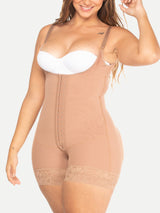
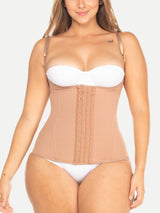
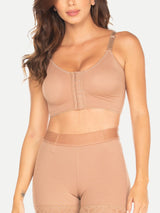






Las fajas Etapa 1, Etapa 2 y Etapa 3 están diseñadas para diferentes momentos de tu recuperación y no son intercambiables. La Etapa 1 protege el tejido en sanación durante los primeros 1 a 14 días posoperatorios con compresión ligera a moderada. La Etapa 2 sostiene la recuperación activa de las semanas 3 a 12 con compresión media a alta. La Etapa 3 ofrece máxima compresión para el contorno final desde el tercer mes en adelante.
En Este Artículo · 7 min de lectura
- ¿Qué Significa "Etapa" en una Faja?
- Faja Etapa 1: Posoperatorio Inmediato
- Faja Etapa 2: Recuperación Activa
- Faja Etapa 3: Contorno y Mantenimiento
- Comparación de Etapas
- Diferencia Entre Etapa 2 y Etapa 3
- ¿Se Puede Saltar una Etapa?
- Recuperación de BBL Específicamente
- Cómo Tomar Medidas para la Etapa Correcta
- Preguntas Frecuentes
Si te dijeron que necesitas una faja después de una cirugía y estás viendo tres etapas de compresión diferentes preguntándote cuál es la diferencia, estás en el lugar correcto. Las fajas Etapa 1, Etapa 2 y Etapa 3 no son intercambiables. Cada una está diseñada para un momento específico de tu recuperación, y usar la etapa equivocada en el momento equivocado puede retrasar la sanación o causar molestias.
Esta guía explica exactamente qué hace cada etapa, cuándo usarla y cómo saber cuándo pasar a la siguiente. Todos los estilos mencionados están hechos en Colombia y disponibles en Colombiana Boutique.
¿Qué Significa "Etapa" en una Faja?
El número de etapa se refiere al nivel de compresión y a la estructura de la prenda, no solo a qué tan apretada es. Una faja Etapa 1 está diseñada para el periodo más sensible inmediatamente después de la cirugía, cuando tu tejido está inflamado, sensible y necesita presión suave y uniforme. Una faja Etapa 3 está diseñada para un cuerpo que en gran parte ya ha sanado y necesita compresión firme para finalizar el contorno y mantener los resultados.
Piensa en las etapas como una progresión por la que tu cuerpo avanza, no como un ranking de cuál faja es mejor.
Faja Etapa 1: Posoperatorio Inmediato (Días 1 a 14)
Para Quién Es
La Etapa 1 se usa inmediatamente después de una cirugía estética, típicamente liposucción, BBL, abdominoplastia o lipoescultura. Tu cirujano usualmente te indicará ponértela antes de salir de la sala de recuperación.
Qué Hace
Una faja Etapa 1 aplica compresión ligera a moderada diseñada para reducir la inflamación, controlar la acumulación de líquidos y ayudar a que tu piel comience a adaptarse a sus nuevos contornos. La compresión es lo suficientemente firme para ser terapéutica pero lo suficientemente suave para un cuerpo en recuperación aguda.
Características Clave a Buscar
- Cierre frontal de cremallera o ganchos para ponerla y quitarla sin forzar las incisiones
- Diseño de entrepierna abierta para que no tengas que quitártela para ir al baño
- Tela Powernet transpirable que no atrapa el calor contra la piel en sanación
- Cobertura hasta medio muslo o cuerpo completo dependiendo de tu procedimiento
Cuánto Tiempo Usarla
La mayoría de los cirujanos recomiendan la Etapa 1 durante los primeros 1 a 14 días posoperatorios, usándola de 22 a 23 horas al día. Sabrás que estás lista para avanzar cuando tu cirujano te dé el visto bueno y la prenda empiece a sentirse notablemente floja.
Faja Etapa 2: Recuperación Activa (Semanas 3 a 12)
Para Quién Es
La Etapa 2 es la prenda de transición. Tu inflamación ha disminuido significativamente, tus incisiones están sanando y tu cuerpo está listo para una compresión más firme que continúe moldeando y apoye el drenaje linfático.
Qué Hace
Una faja Etapa 2 aplica compresión media a alta que ayuda activamente a que tu piel se retraiga y se adapte a tu nueva forma. También continúa controlando la inflamación residual y sostiene el tejido conectivo mientras sana. Muchas pacientes describen la Etapa 2 como el momento en que empiezan a ver sus resultados tomando forma.
Características Clave a Buscar
- Nivel de compresión más alto que la Etapa 1, busca Powernet combinado con Lycra o paneles reforzados
- Varillas o paneles estructurados en el área abdominal para aplanar y contornear
- Cierres de ganchos que te permiten ajustar a medida que la inflamación continúa reduciéndose
- Cobertura más larga para contorno completo de muslos y caderas si tuviste un BBL o lipo en los flancos
Cuánto Tiempo Usarla
Típicamente de la semana 3 a la 12, aunque esto varía según el procedimiento y cómo sane tu cuerpo. El tiempo de uso usualmente baja a 12 a 16 horas al día en esta etapa, a medida que tu cirujano permite más tiempo sin la prenda.
Faja Etapa 3: Contorno y Mantenimiento (Mes 3+)
Para Quién Es
La Etapa 3 es para pacientes cuya sanación primaria está completa y que ahora se enfocan en maximizar sus resultados finales. También la usan mujeres que quieren moldeo de alta compresión para uso diario, eventos o entrenamientos, no solo posquirúrgico.
Qué Hace
Una faja Etapa 3 ofrece compresión máxima para moldeo activo. En este punto, tu tejido está estable, así que la prenda puede trabajar agresivamente para definir tu cintura, aplanar tu abdomen, y levantar y moldear las caderas y los muslos. Muchas mujeres continúan usando una faja Etapa 3 mucho después de su recuperación como parte de su rutina regular.
Características Clave a Buscar
- Tela de compresión ultra alta, doble Powernet o paneles esculpidos reforzados
- Cierre de ganchos o cremallera con múltiples filas de ajuste
- Cobertura completa del torso para contorno abdominal y de cintura
- Algunos estilos Etapa 3 incluyen varillas incorporadas para soporte de postura
¿Cuándo Exactamente Debes Cambiar a la Etapa 3?
La mayoría de las pacientes hacen la transición alrededor de las 10 a 12 semanas, una vez que su cirujano confirma que la sanación primaria está completa. La señal física es que tu prenda Etapa 2 se siente notablemente floja y tus resultados se ven estables. En ese punto, la compresión Etapa 3 trabaja activamente en finalizar tus contornos en lugar de sostener tejido en sanación.
Comparación de Etapas
| Característica | Etapa 1 | Etapa 2 | Etapa 3 |
|---|---|---|---|
| Cuándo usar | Días 1 a 14 | Semanas 3 a 12 | Mes 3+ |
| Nivel de compresión | Ligera a moderada | Media a alta | Máxima |
| Propósito principal | Reducir inflamación, proteger tejido | Moldear y drenar | Contornear y mantener |
| Tiempo de uso diario | 22 a 23 hrs | 12 a 16 hrs | El deseado |
| Quién la usa | Pacientes posoperatorias | Pacientes posoperatorias | Posoperatorias y uso diario |
¿Cuál es la Diferencia Entre Etapa 2 y Etapa 3?
La Etapa 2 es una prenda de recuperación. Su función principal es controlar la inflamación residual, apoyar el drenaje linfático y ayudar a la retracción de la piel mientras tu cuerpo sana. La Etapa 3 es una prenda de contorno. Tu inflamación está en gran parte resuelta y tu tejido está estable, así que la función de la prenda cambia de proteger tejido en sanación a maximizar tu forma final. Las fajas Etapa 3 típicamente usan doble Powernet o paneles esculpidos reforzados que serían demasiado agresivos para un cuerpo aún en recuperación activa.
¿Se Puede Saltar una Etapa?
No es recomendable. Saltar de la Etapa 1 directamente a la Etapa 3 aplica una compresión para la que tu tejido en sanación no está listo, lo que puede causar molestias, interferir con el drenaje linfático y, en algunos casos, distorsionar tus resultados. La guía de tu cirujano siempre tiene prioridad. Esta guía es un marco general, no consejo médico.
Si tuviste un procedimiento menos invasivo, tu cirujano puede autorizarte a empezar en la Etapa 2. Algunas pacientes con lipo muy menor se saltan la Etapa 1 por completo. Siempre confirma con tu equipo quirúrgico.
¿Qué Pasa con la Recuperación de BBL Específicamente?
La recuperación de BBL tiene una diferencia importante: no puedes sentarte ni poner presión directa sobre tus glúteos durante las primeras semanas. Tus fajas Etapa 1 y Etapa 2 para recuperación de BBL deben tener asiento abierto o un panel trasero estratégicamente cortado que mantenga la presión fuera de las células de grasa transferidas mientras comprime tu abdomen y flancos.
Para la Recuperación de BBL en Etapa 3 Específicamente
Una vez que tu cirujano te autoriza a sentarte normalmente y las células de grasa transferidas se han establecido, típicamente alrededor de las 8 a 12 semanas, una faja Etapa 3 estándar de alta compresión es apropiada. En este punto, la cobertura completa de los glúteos no solo es segura sino también beneficiosa para el contorno final de las caderas y los glúteos.
Una faja estándar que cubre los glúteos completamente no es apropiada para la recuperación temprana de BBL. Busca específicamente estilos compatibles con BBL cuando compres prendas Etapa 1 y Etapa 2 post-BBL.
Cómo Tomar Medidas para la Faja Correcta
Usar la talla incorrecta en cualquier etapa anula el propósito de la prenda. Una faja demasiado floja no aplica compresión terapéutica. Una demasiado apretada puede restringir la circulación y causar molestias.
Mide tu cintura natural (el punto más estrecho), tus caderas (el punto más ancho) y debajo del busto. Compara con la guía de tallas para el estilo específico que vas a ordenar. El tallaje colombiano es diferente al estadounidense y varía según la marca. En caso de duda entre dos tallas, sube una en la Etapa 1 para acomodar la inflamación, y baja una en la Etapa 3 para una compresión más firme.
Si aún estás eligiendo tu primera faja, la colección completa de fajas colombianas está organizada por nivel de compresión y caso de uso.
Preguntas Frecuentes
¿Cómo sé cuándo pasar de la Etapa 1 a la Etapa 2?
Tu cirujano usualmente te dará el visto bueno en tu cita de seguimiento de las 4 a 6 semanas. Físicamente, la señal es que tu faja Etapa 1 se siente significativamente más floja de lo que estaba en las primeras dos semanas, tu inflamación ha bajado lo suficiente como para necesitar más compresión para seguir progresando.
¿Puedo usar una faja Etapa 3 si no tuve cirugía?
Sí. Las fajas Etapa 3 las usan muchas mujeres para moldeo diario, entrenamiento de cintura y soporte de postura. La etiqueta de etapa se refiere al nivel de compresión y la estructura, no es exclusivamente para uso posquirúrgico.
¿Cuál es la diferencia entre una faja y la ropa moldeadora común?
La ropa moldeadora común está diseñada para alisar tu silueta debajo de la ropa. Una faja colombiana va más allá, usando paneles de compresión reforzados, varillas estructuradas y cierres de ganchos para moldear y contornear activamente. Las fajas colombianas están hechas con estándares de compresión de grado médico y están diseñadas para usarse durante periodos prolongados.
¿Cuántas horas al día debo usar mi faja durante la recuperación?
Etapa 1: 22 a 23 horas al día. Etapa 2: típicamente 12 a 16 horas, reduciendo según las indicaciones de tu cirujano. Etapa 3: el tiempo que desees, sin un mínimo diario requerido fuera de un protocolo de recuperación.
¿Dónde se hacen las fajas de Colombiana Boutique?
Cada faja en nuestra colección se hace en Colombia, donde la manufactura de prendas de compresión se ha refinado durante décadas. Las fajas colombianas usan telas Powernet y técnicas de construcción desarrolladas específicamente para aplicaciones posquirúrgicas y de alta compresión.