









To wash your Colombian faja, hand-wash in cool water with mild detergent, lay flat to dry, and never use a dryer or fabric softener. Stored folded flat in a cool dry drawer, a well-cared-for Powernet faja holds its compression for years. Heat is what kills the lift, so air drying is non-negotiable.
In This Article · 6 min read
A well-made Colombian faja is built to last years. The fabric, the construction, and the hand-finishing all give you a garment that holds its compression through hundreds of wears, but only if you take care of it properly. The good news: faja care is simple. Cold water, mild detergent, no dryer. That is most of it.
This guide walks through the wash routine, summer-specific care for sweat season, and how to store your faja so it stays in shape between wears. We have been fitting Colombian fajas in our New Jersey store since 2012, and the customers who get the most years out of their fajas follow these same steps.
Why Proper Care Matters
Colombian fajas are made from Powernet, a dense compression fabric woven with nylon and elastane that delivers firm hold without losing shape. The single biggest threat to that compression is heat. The dryer breaks down the elastane fibers unevenly, shrinks the panels, and within a few cycles the faja loses the lift that made it worth buying in the first place.
The second-biggest threat is harsh detergent. Bleach and fabric softener both attack the Powernet directly. Bleach weakens the fibers; fabric softener coats them with a residue that reduces stretch recovery. A faja washed properly will outlast one washed roughly by a factor of three or four.

The 5-Step Wash Routine
The whole routine takes about 20 minutes plus drying time. Do not skip steps.
1. Hand-wash only
Fill a basin with cool water and a small amount of mild detergent. No bleach, no fabric softener. The washing machine, even on a delicate cycle, applies enough mechanical stress to compromise the Powernet over time. Hand-washing is the only method we recommend.
2. Soak and gently agitate
Let your faja soak for 10 to 15 minutes. Then move the water around with your hands and gently press the fabric. Do not wring, twist, or pull the panels apart. Powernet is designed to stretch with the body, but forcing it sideways while wet damages the weave.
3. Rinse thoroughly
Rinse with cool water until the water runs clear and there is no soap residue. Leftover detergent in the fabric weakens elasticity over time, even if the garment looks clean. Two full rinses are better than one.
4. Press out the water
Lay your faja flat on a clean towel and roll it up gently to absorb the water. Do not wring or twist. Pressing out moisture this way protects the compression panels and shortens drying time.
5. Air dry flat
Lay the faja flat in a shaded area. Direct sun fades the fabric. Heat sources (dryers, radiators, hair dryers) destroy the compression fibers. Air drying flat is the only method that preserves both color and lift. Drying time is typically 12 to 24 hours depending on humidity.
Summer-Specific Care
Summer means more sweat, which means washing more frequently. Sweat that sits in a faja overnight can trap oils, bacteria, and odor in the Powernet, and the longer it sits the harder it is to wash out. In the warmer months, wash your faja after every 1 to 2 wears instead of the 2 to 3 wears that work in cooler seasons.
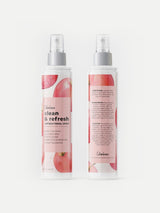
If you cannot wash it immediately after a sweaty day, our Antibacterial Spray is designed for exactly this gap. A light mist after wear neutralizes odor-causing bacteria and freshens the fabric until your next wash. It is what we recommend for travel, post-gym, and busy weeks when an immediate hand-wash is not realistic.

Keep It Fresh Between Washes
Between full washes, three habits keep your faja clean and odor-free:
- Mist with antibacterial spray after each wear. Light coat, focus on high-sweat zones (waistline, lower back, under-bust).
- Let it air out for at least an hour before storing. Folding a damp faja into a drawer traps moisture against the Powernet.
- Rotate two fajas in your wardrobe so each one gets recovery time between wears. Most customers who wear a faja daily, like the NS066 Sculpting Faja with Hooks, do better with two in rotation than one worn repeatedly.

How to Store Your Faja
Storage matters more than most people realize. A faja crumpled into a drawer next to jeans and gym clothes loses its shape between wears, and zippers and hooks on neighboring garments can snag the Powernet.
The right way to store a faja
- Fold flat, do not roll or ball up. Folding preserves the original panel structure.
- Store in a cool, dry drawer or fabric bin. Heat and humidity both degrade Powernet over time.
- Keep it away from zippers, hooks, and rough fabrics. The Powernet weave snags easily.
- Avoid plastic bags. Plastic traps moisture and can lead to mildew, especially in warm climates.
For travel, a breathable lingerie bag is the best option. It keeps the faja separated from the rest of your luggage and allows air circulation.
Extra Tips for Long Wear
A few habits that extend the life of your faja and improve daily comfort:
- Use body powder or anti-chafe balm on high-friction zones (under-bust, inner thighs) on hot days. This reduces fabric strain from skin-on-fabric rubbing.
- Dry completely before wearing again. A faja that is even slightly damp loses compression and chafes faster.
- Rotate compression levels by weather. Lighter Smooth styles like the CB455 High-Rise Lift Shorts are more comfortable on hot days than full-coverage Sculpt or Ultra-Sculpt styles. Save the firmer pieces for events and cooler weather.
- Spray smart. Keep an Antibacterial Spray in your bag for travel and post-gym refreshes.
Frequently Asked Questions
Can I wash my faja in the washing machine on delicate?
We do not recommend it. Even on the gentlest cycle, the agitation and spin damage Powernet fibers over time and shorten the compression life of the garment significantly. Hand-washing is the only method that preserves the construction for years of wear.
How often should I wash my faja?
For daily wear in cool weather, every 2 to 3 wears. For summer or sweaty days, after every 1 to 2 wears. For post-surgical fajas worn 22 to 24 hours per day during recovery, your surgeon will provide a specific cleaning protocol, usually involving a daily or every-other-day wash.
What happens if I accidentally put my faja in the dryer?
Once is unlikely to ruin it, but you may notice the compression feels slightly off and the panels do not sit quite the same. Repeated dryer use causes permanent damage. If you have accidentally dryer-dried it, stop and air-dry going forward. The faja may still have years of life left if dryer use was isolated.
Why does my faja smell even after washing?
Most often, this is leftover detergent residue trapped in the Powernet. Rinse the faja a second time in fresh cool water. If the smell persists, it may be from bacteria buildup from washing too infrequently in hot weather. The Antibacterial Spray after each wear, plus increasing wash frequency, resolves this quickly.
How long should a well-cared-for faja last?
A Colombian faja from Colombiana Boutique typically lasts three to five years of consistent use when cared for properly. Customers who wear theirs daily and rotate two in their wardrobe often get even longer. The compression level holds remarkably well across hundreds of wears as long as the wash routine is followed.
Ready to add the care essentials to your routine? Browse the Antibacterial Spray for between-wash freshness, or the full Colombian fajas collection if you are looking for a second faja to rotate. We are happy to help by chat or email the same way we do in our New Jersey stores every day.